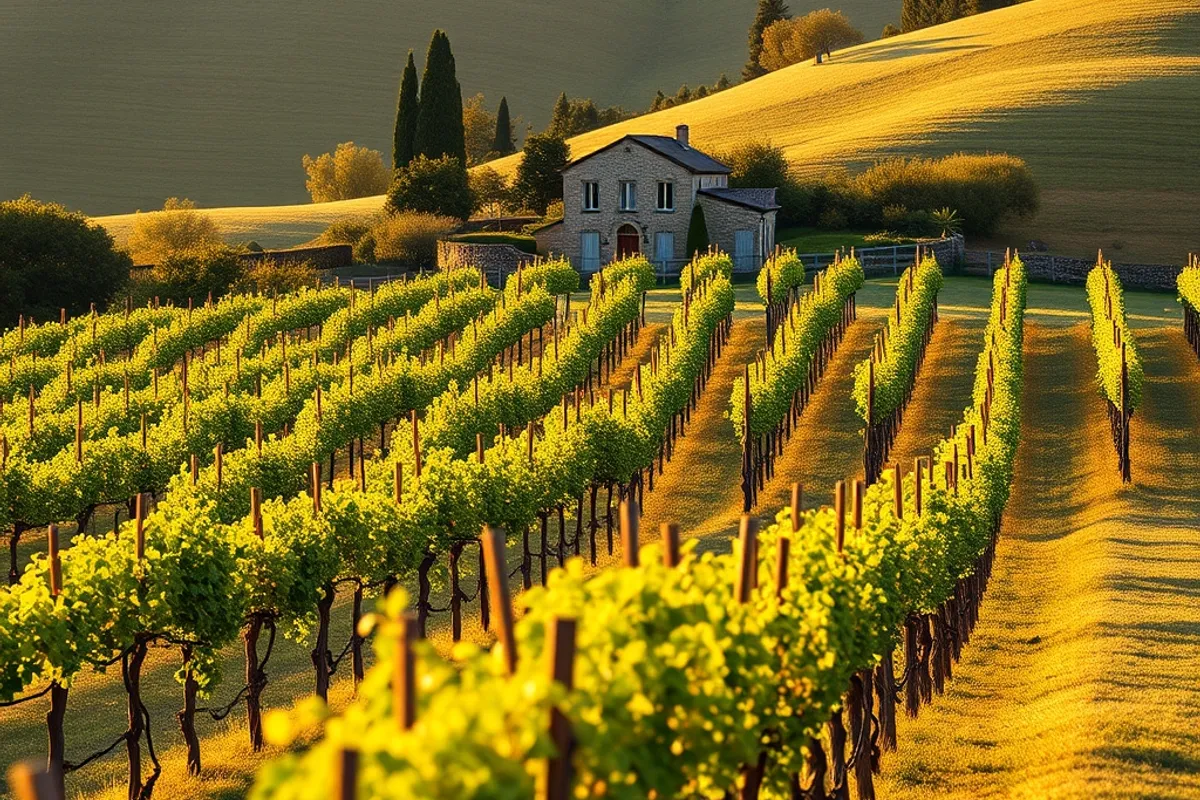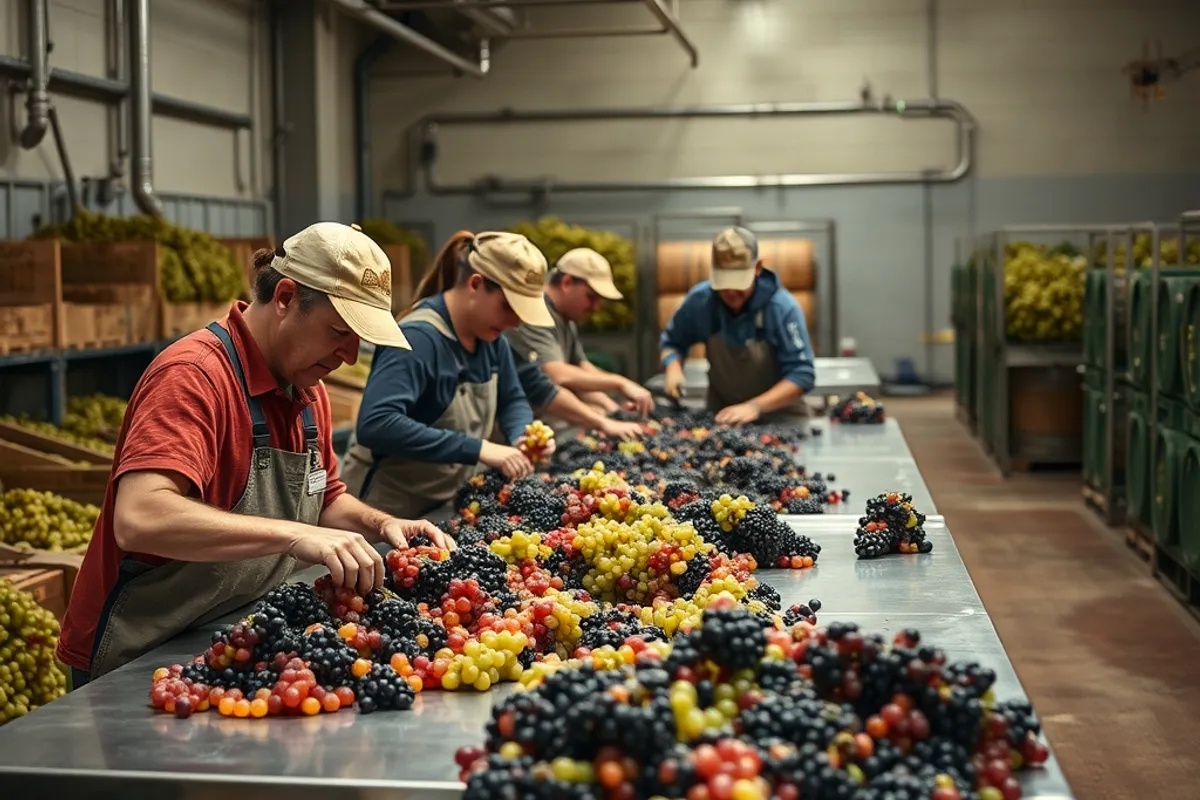
Harvest is the one week when a vineyard stops being a backdrop and becomes a factory. Fruit arrives at the door in crates, the press runs early and the tasting room competes with the cellar for staff. A harvest tour can be the best visit of the year or a rushed stop at a gate, and the difference is almost entirely in the booking.
What harvest week actually looks like
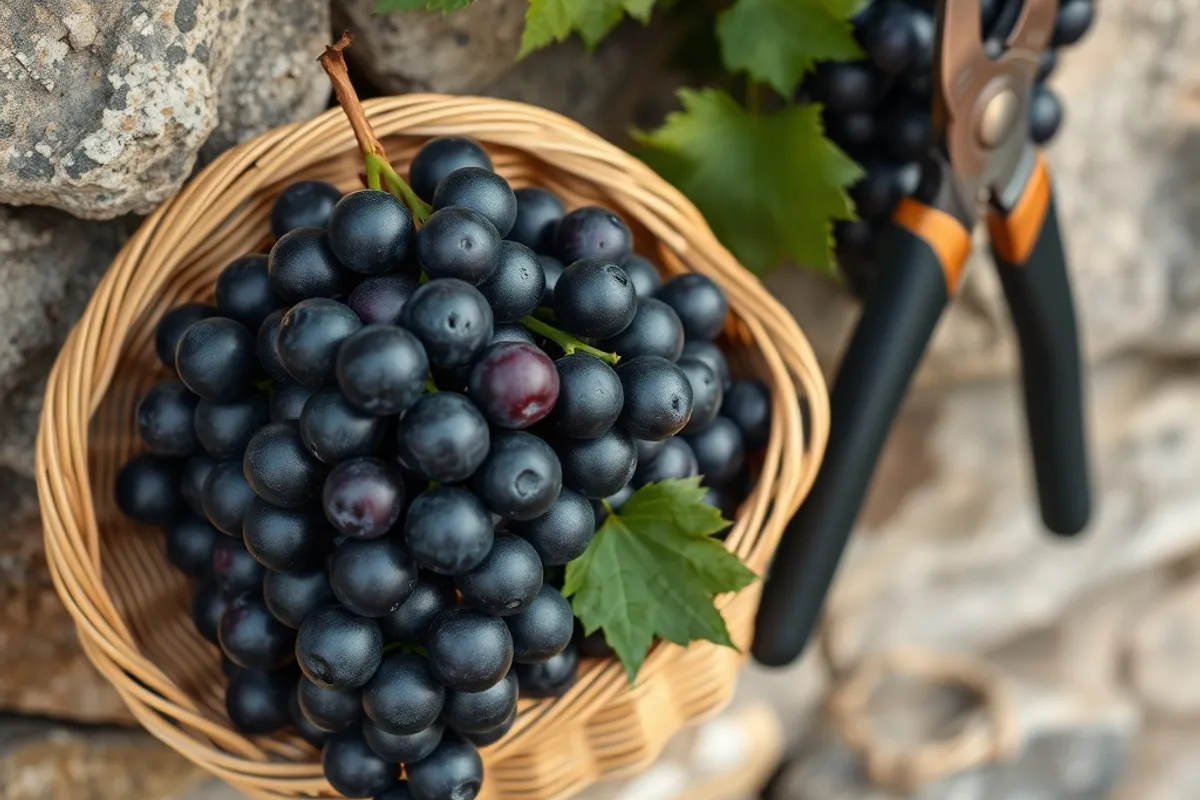
Picking starts before dawn in warm regions and later in cool ones. The crew moves fast, the sorting table fills and the first press is usually underway by mid-morning. Visitors are welcome at some estates and a nuisance at others. A working harvest tour should show you the fruit, explain the sorting and let you taste juice at a stage you will never buy in a shop.
It is not a spa day. Expect noise, wet floors, forklifts and people who have been awake since four. Wear closed shoes and clothes you do not mind splashing. The reward is seeing how quickly a vineyard becomes wine.
Booking the right week
Harvest moves. A warm August can pull picking forward by two weeks; a wet September can stretch it out. Estates usually know their likely window by midsummer, so ask for a date range rather than a fixed day. Confirm again seven days before you travel, because that is when the real decision is made.
If your trip is fixed, book a visit that works whether or not picking is underway. A cellar tour, a vertical tasting and a walk through the vines are still worthwhile in the days before harvest. Do not promise yourself the postcard moment; plan for the process instead.
What a harvest visit includes
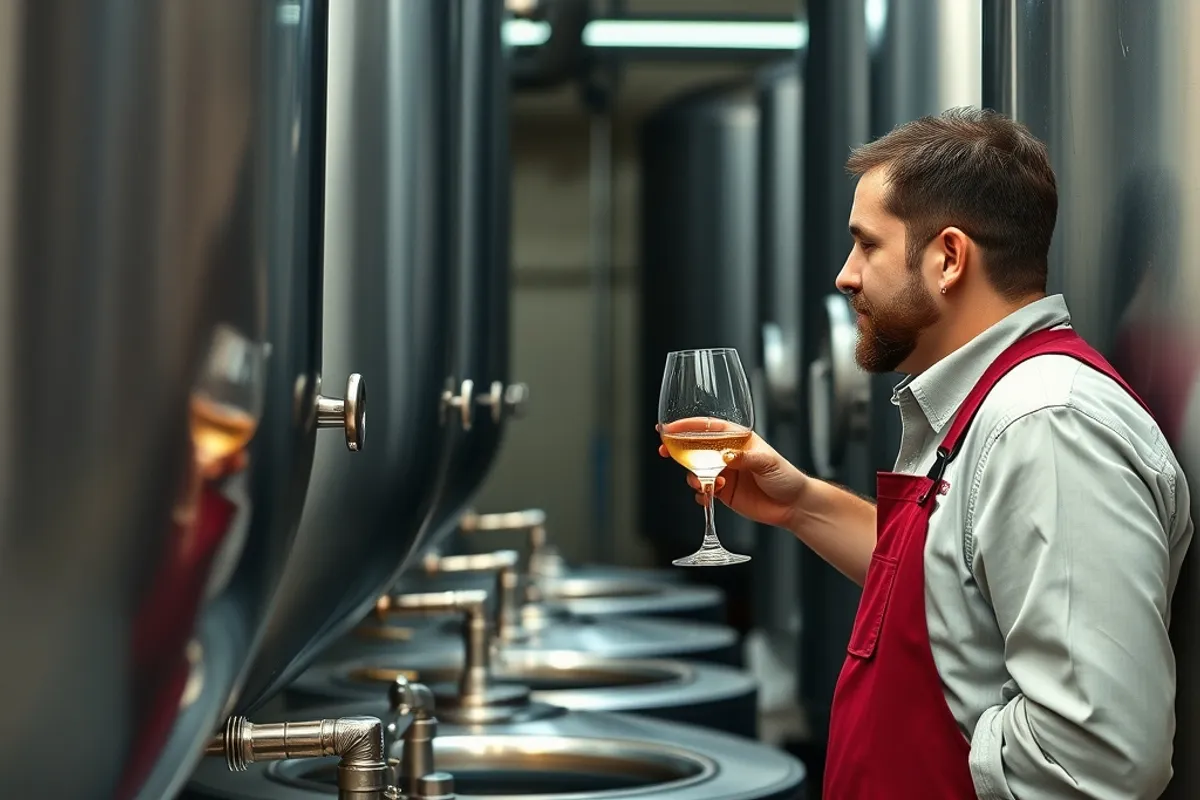
Experiences range from a 90-minute walk and tasting to a full day with lunch and a picking session. Ask specifically whether you will pick, observe or simply taste the new vintage. Some estates offer a supervised harvest morning for visitors; others do not allow guests near the fruit for hygiene and insurance reasons. Both are legitimate, but they are different products.
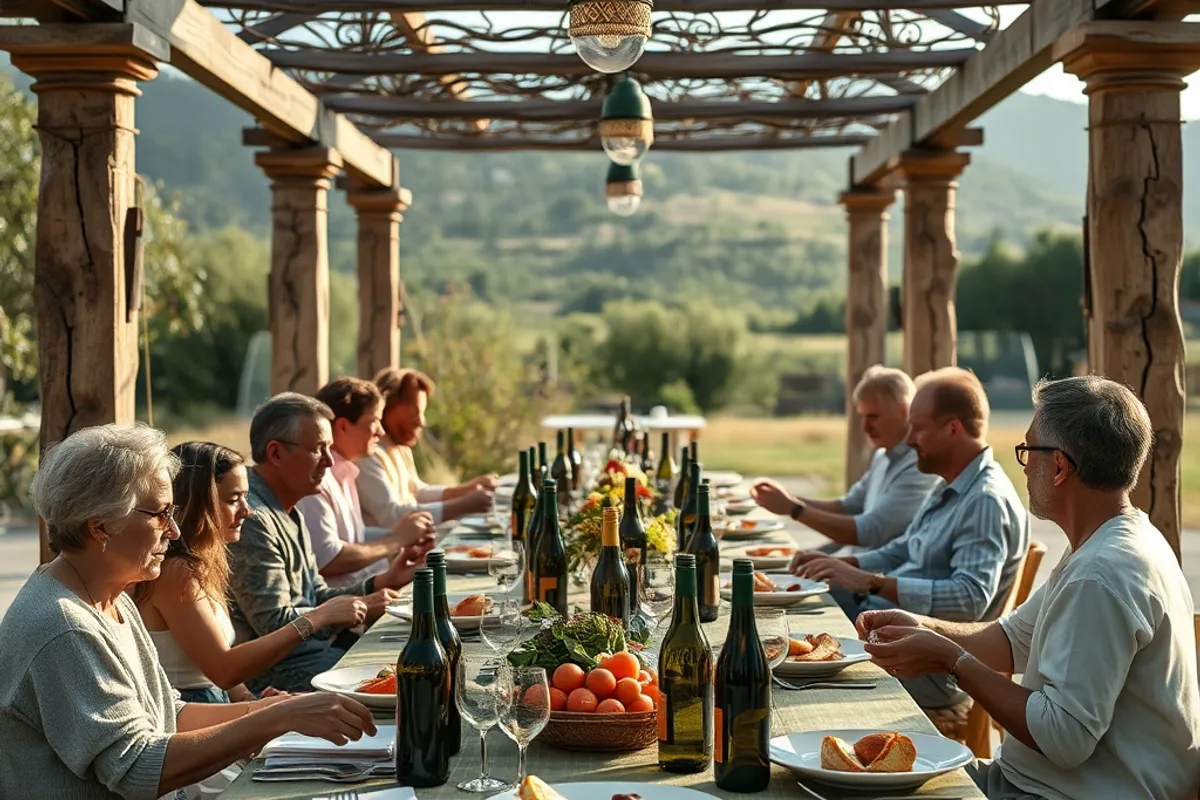
Check the group size and the language. A harvest tour with twenty people is a demonstration; a group of six can ask questions. If lunch is included, ask where it is served and whether it is a real meal or a plate of cheese standing up.
The cost of harvest season
Harvest experiences cost more than a standard tasting, often 40 to 90 euros, and the best ones sell out. Add transport, because you will probably be staying in a town rather than at the estate. Accommodation also rises during picking in popular regions, so compare a room in the nearest village with a farm stay farther out.
A bottle purchase may offset part of a tasting fee but rarely the whole experience. Treat the visit as its own line in the budget rather than a free afternoon. Our vineyard tour planning guide covers transport, pacing and tasting fees in more detail.
Small estates versus famous names
Famous estates have polished hospitality and a queue. Small estates have the winemaker at the door and a cellar that smells of the last ten years. During harvest, the small producer is more likely to cancel on you because the fruit cannot wait. The famous name is more likely to run the tour regardless of what is happening outside.
Choose according to what you want. If you are learning, a small estate with a seated tasting is better value. If you are collecting a region, one established visit gives context for the rest. Do not try to do both in the same afternoon.
Transport and crowds
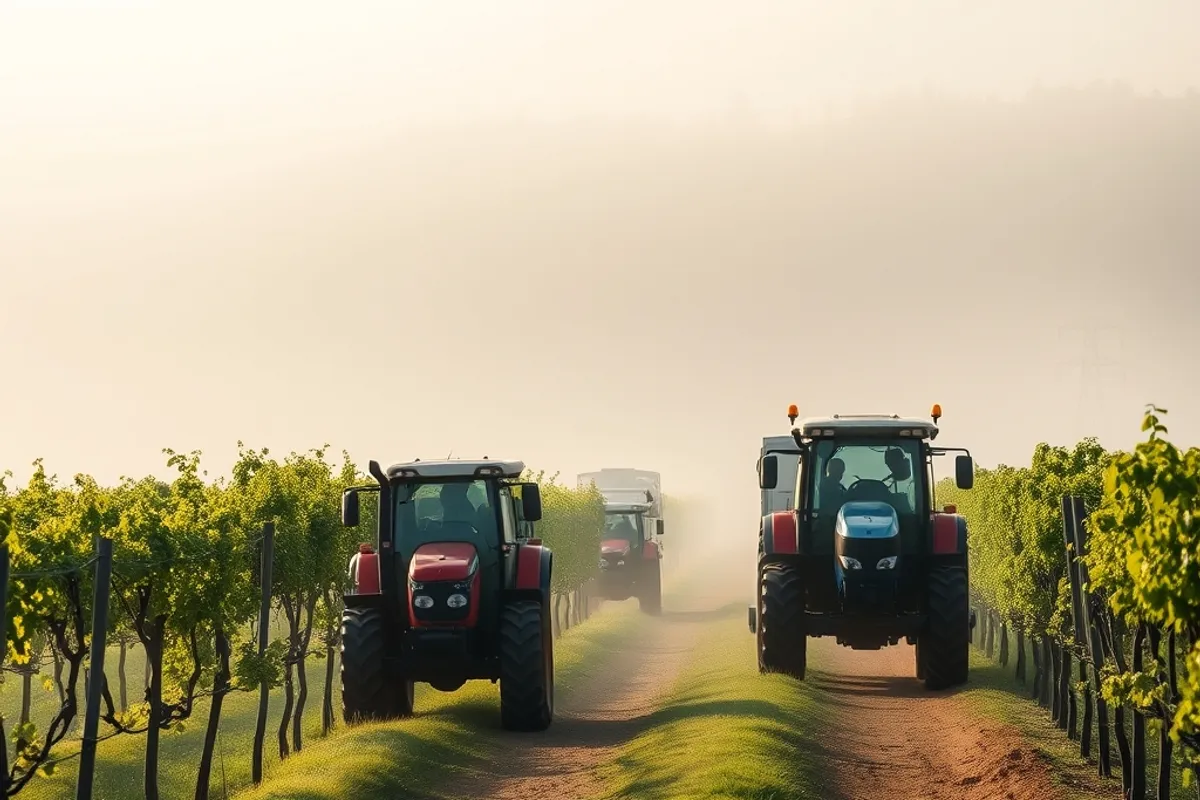
Harvest traffic is real: tractors, trailers and pickers' cars on narrow roads. Allow more time than the map suggests and avoid arriving at the exact minute the crew is moving a trailer. Park where you are told, not in the first gap between vines.
Book a driver if you plan to taste more than a small flight. The roads are busier and the day is longer than a summer visit. A local driver often knows which estates are actually running and which are closed for the pressing.
The verdict
A harvest tour is worth planning around if you care how wine is made. Book a date range, confirm the week before, wear the right shoes and expect a working farm rather than a quiet tasting room. If you want a calm introduction to a region, come in shoulder season instead and leave harvest for the second visit.