
Wellness is the most elastic word in hotel marketing. It can mean a basement with two massage rooms, a week-long programme with consultations and a set menu, or a clinic with doctors and diagnostic tests. All three sell themselves as restorative. Only one of them is likely to give you what you actually need.
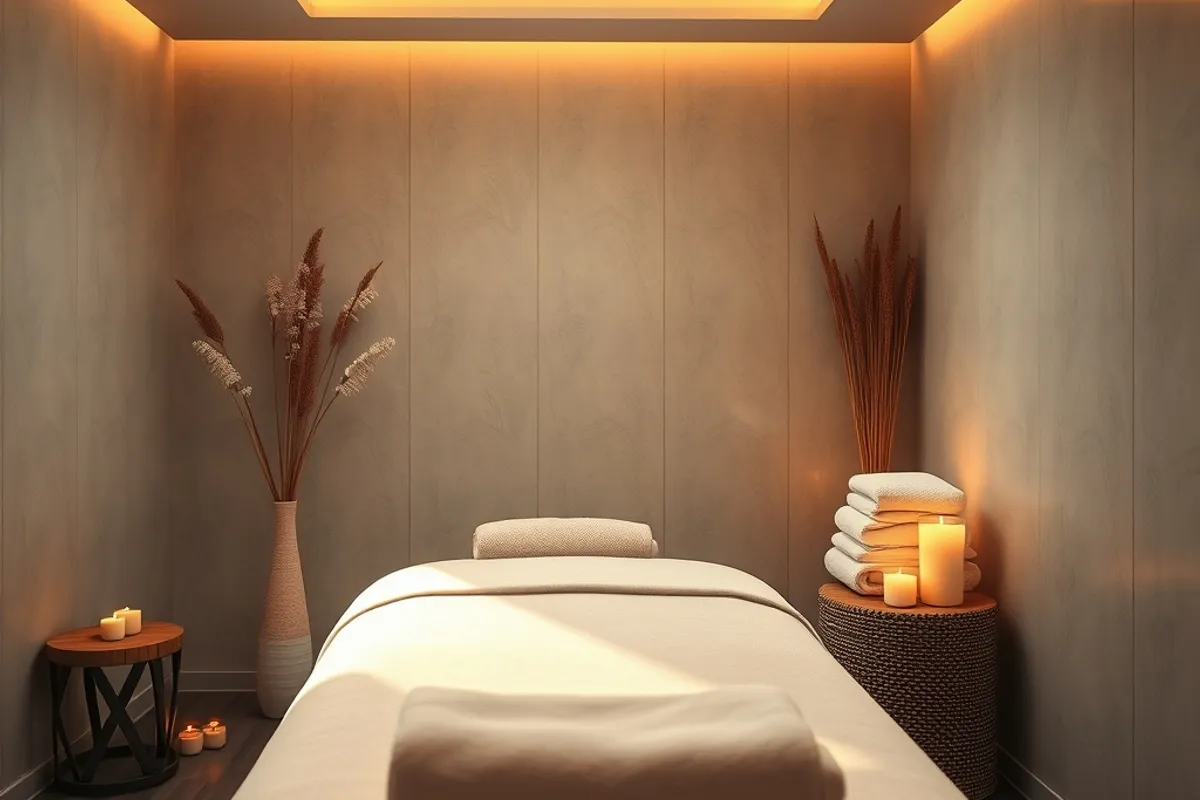
Three kinds of wellness hotel
A spa hotel has facilities you use when you feel like it: pool, sauna, massage list, maybe a yoga class. A wellness retreat has a programme with a start time, a schedule and a group. A medical clinic has qualified clinicians, tests and follow-up. The price and the promise rise with each, and so do the rules.
Decide which one you want before you compare rates. If you want long lunches and a massage, a spa hotel is enough. If you want to change a habit, a structured retreat makes more sense. If you have a health concern, see a clinician at home first, not a hotel with a blood-test menu.
What a programme actually includes
Read the schedule line by line. A five-night programme might include one consultation, two treatments, daily yoga and a set menu, with everything else charged separately. Add the cost of the extra treatments you will inevitably want, plus service and tax. That is the real price.
Check who leads the sessions. A qualified nutritionist or physiotherapist is different from a wellness coach with a weekend certificate. Ask for names and credentials, and do not accept a job title as proof. A good retreat publishes its team and their training.
Treatments and the extras
Treatment prices are often the least transparent part of the stay. Ask for the full menu before you book, including the duration and whether a consultation is required first. A 50-minute massage can be 50 minutes on the table or 35 minutes with a consultation and a robe change. The difference matters when you are paying by the session.
Beware the package that includes a "wellness credit". It is not a discount; it is a budget you are expected to spend. Compare the credit with the actual treatment prices and see whether you would have bought those sessions with your own money.
Food, alcohol and normal appetites
Some retreats serve a strict calorie-controlled menu; others offer a generous table with local produce. Neither is wrong, but the brochure rarely tells you which. Ask for a sample menu and whether coffee, wine and seconds are available. A retreat that makes you feel guilty about a second helping is not a holiday.
If you have dietary needs, confirm them in writing. A kitchen that can handle a real allergy is a sign of a professional operation. A kitchen that promises to "do its best" on the day is a risk you should not take.
Quiet, sleep and room location
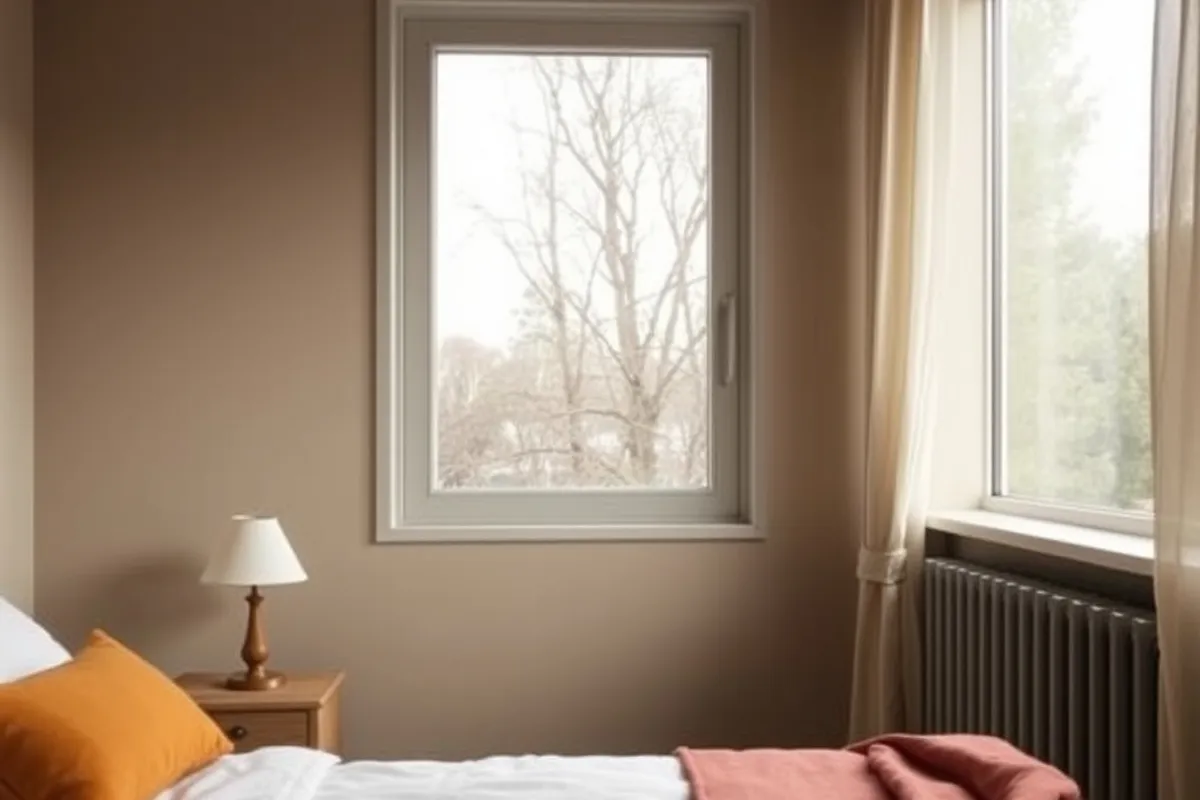
The room is where the retreat succeeds or fails. Ask whether it is near the gym, the bar, the kitchen or the treatment rooms. A silent campus can still have a loud corridor outside your door. Check the air conditioning, the blackout curtains and whether the windows open.
Ask about phone and Wi-Fi policy. Some retreats restrict devices in shared areas; others have no rules at all. If you need to work, say so. If you need silence, ask which building is adults-only and whether the pool area has music.
Medical claims and red flags
Be careful with any hotel that promises to diagnose, cure or treat a medical condition. Ask who is licensed, what the tests measure and what happens to the results. A retreat can support healthy habits; it should not replace a doctor. If a clinician is not on site, the programme should say so.
Other red flags: pressure to buy supplements, a consultation that ends with a product list, and staff who cannot explain the qualification behind a treatment. Our booking tips guide covers the questions to put in an email before you pay.
The verdict
Choose the category before the scenery. A spa hotel is a pleasant place to recover from a busy month; a retreat is a structured week; a clinic is a medical service. Read the schedule, add the extras and check the room location. The best wellness stay is the one that leaves you rested rather than sold to.