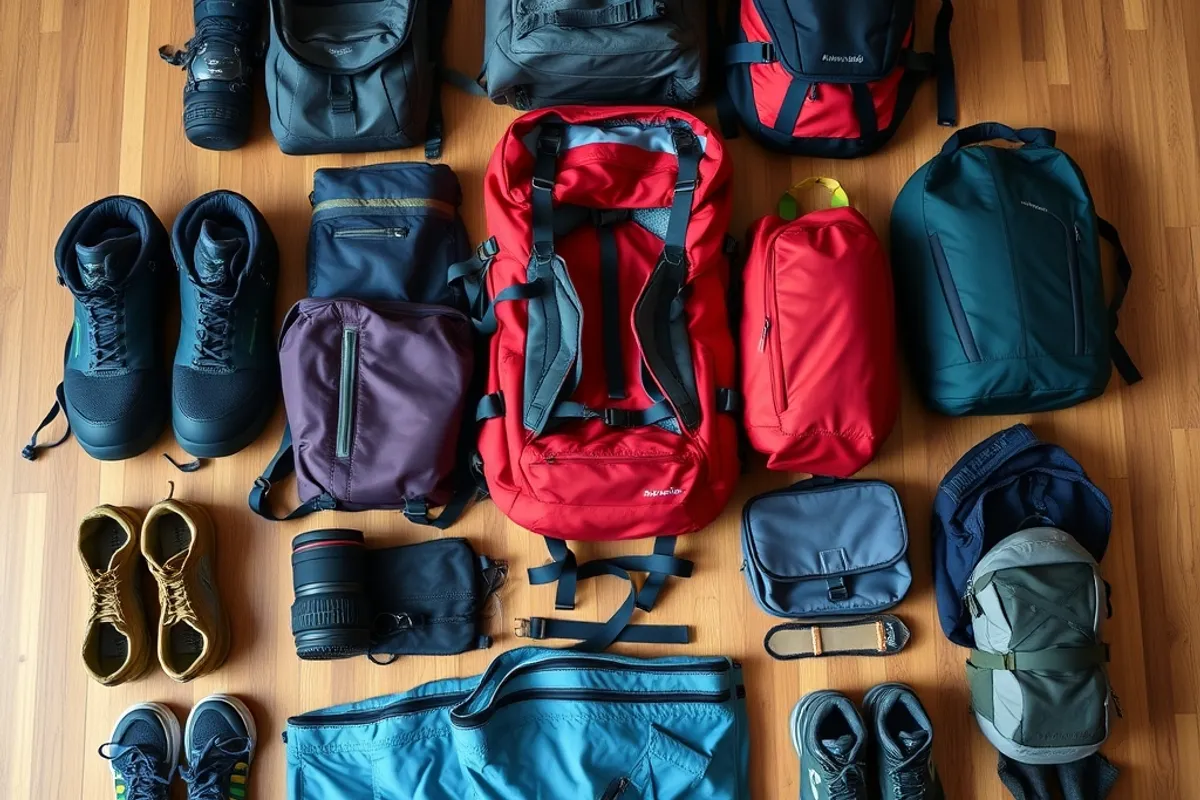
Gear is where a backpacking budget quietly doubles. The internet is full of lists that assume you need everything before your first night out. You do not. The sensible approach is to spend on the items that keep you warm, dry and able to walk, rent or borrow the rest, and add gear only after a trip shows you what is missing.
Where money actually matters
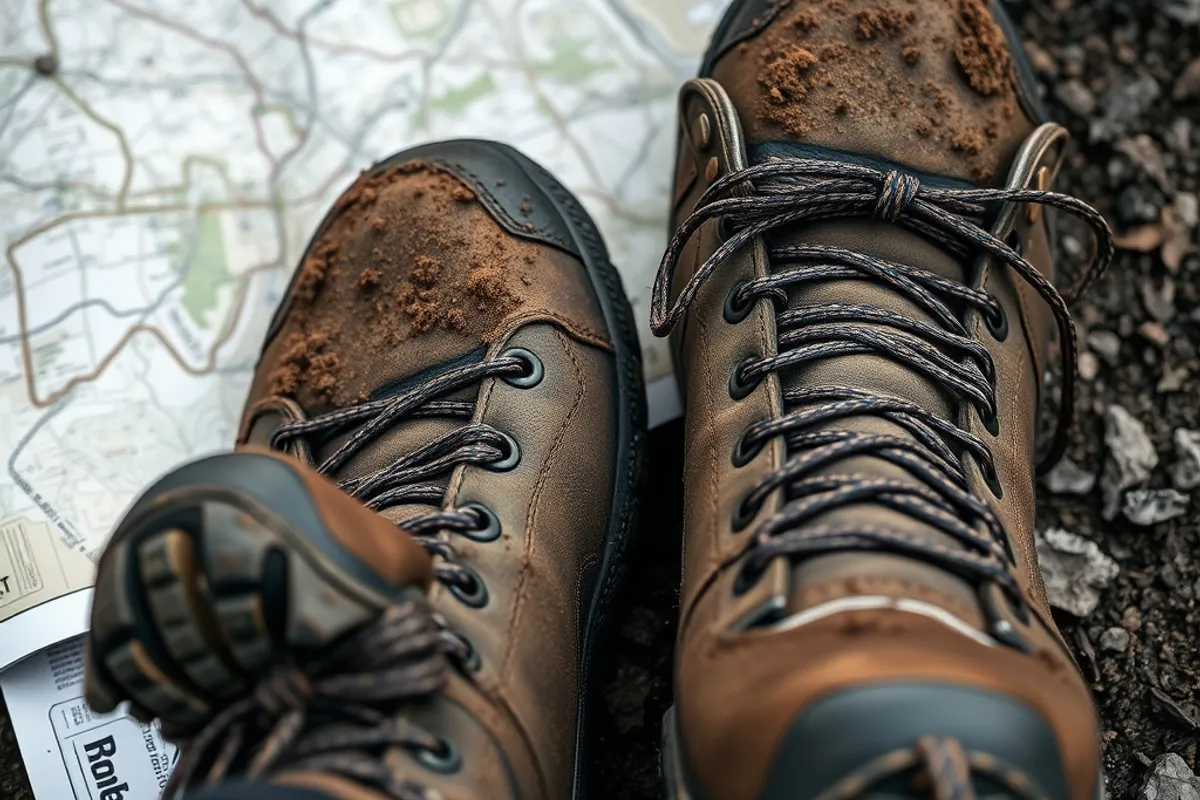
Prioritise footwear, shelter and sleep. Those three decide whether you finish the route in good shape. A blister or a cold night ends a trip faster than a missing gadget. After that, spend on a pack that fits and a waterproof layer that works. Everything else can be cheap, borrowed or left at home.
Set a total budget for the trip, including transport and food, then allocate gear separately. A common mistake is spending the whole budget on a tent and then buying the cheapest boots for a 100-kilometre walk. The boots matter more.
The big three
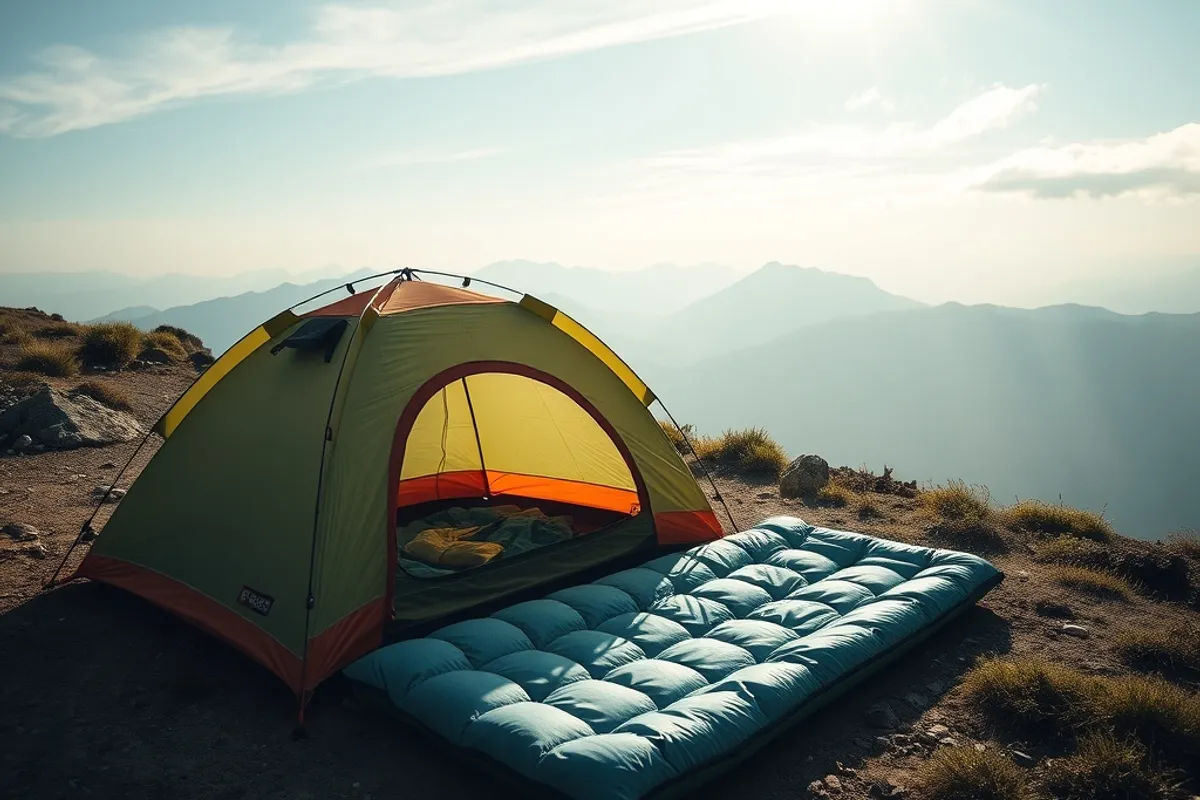
For shelter, decide between a tent, a tarp and a hut. A three-season tent is the simplest choice for most people. Rent one for the first trip and see how it handles wind and rain before you buy. A tarp is lighter and cheaper but requires skill and a good forecast.
For sleep, a pad matters as much as the bag. A warm bag on a cold, thin pad is a cold night. Look at the pad's insulation value, not just its packed size. For the bag, match the rating to the season and use a liner to extend the range.
For the pack, fit beats features. Load it in the shop with the weight you will actually carry. A pack that digs into your shoulders on a short walk will be unbearable on a long one.
Clothing that earns its place
You need a base layer, an insulating layer and a waterproof shell. Everything else is a variation. Two pairs of socks and a spare base layer are enough for a week if you wash as you go. Avoid cotton next to the skin; it stays wet and cools you down.
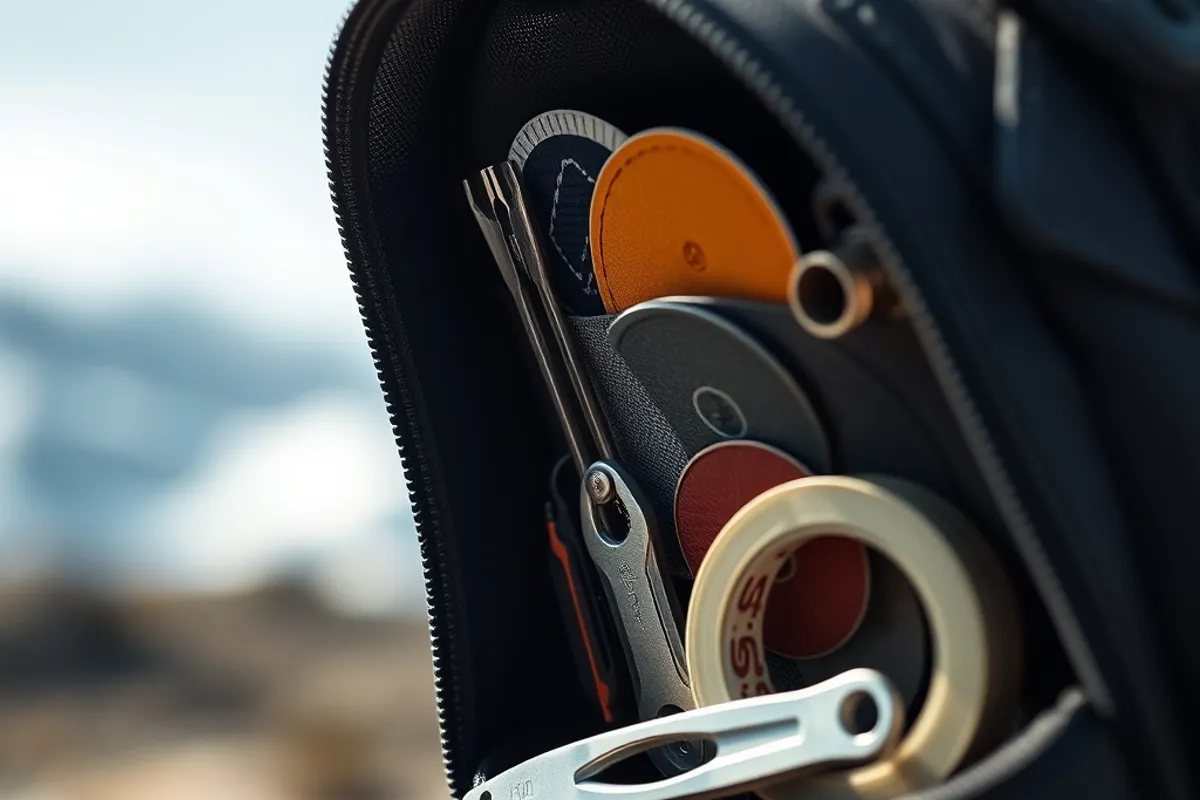
Buy boots early and walk in them. A bargain pair that fits badly is not a bargain. Take blister care seriously: tape, a small knife and a plan for a hot spot before it becomes a wound.
Sleep system and camp comfort
A sleeping bag rated for the shoulder season is more versatile than a summer bag plus a liner. Check the comfort rating, not the extreme rating. Store the bag loosely at home and never compress it for long periods.
Camp comfort is optional weight. A pillow is a luxury until you have slept badly for three nights; a small inflatable one is worth the grams. A chair is a treat for short trips and a burden on long ones. Decide what makes the evening better and leave the rest.
Cooking and water
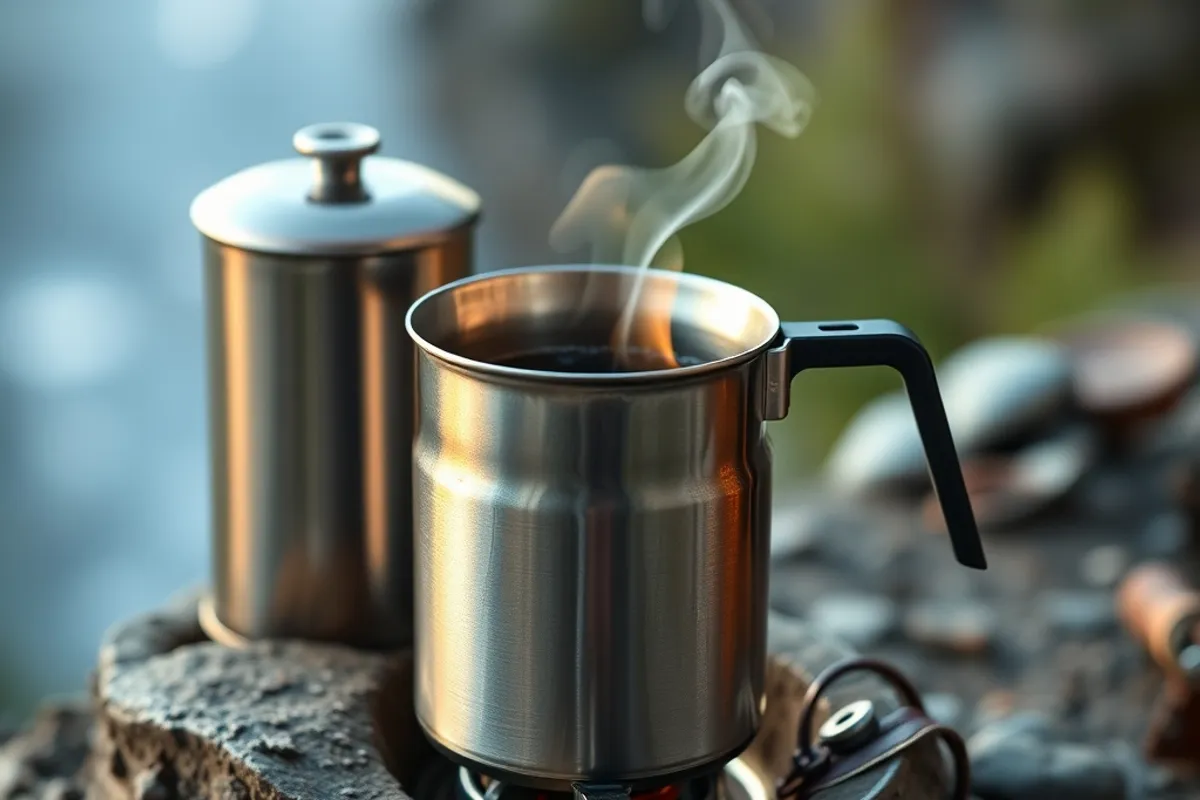
A small stove, a pot and a lighter cover most trips. Check whether fuel canisters are available along the route; if not, choose a liquid-fuel stove or plan to cold-soak. A water filter is cheaper and lighter than carrying litres of water, but it only helps if the sources are reliable.
Do not buy a giant cook set for one person. A 750-millilitre pot and a spork are enough for simple meals. Repackage food at home to cut weight and rubbish.
What to skip
Skip the tactical knife, the solar panel, the folding shovel and the second headlamp. Skip the drone unless you have checked the rules and are willing to carry it. Skip the expensive tent if you only hike twice a year; rent instead. Skip any item you cannot explain in one sentence.
Rent or borrow before you buy. Shops in trail towns rent tents, packs and sleeping bags, and a first trip is the best test. Buy used gear from a reputable seller if the price is good and the condition is clear. Our trail planning guide covers route, permits and daily distance.
The verdict
Spend on the things between you and the ground. Rent the rest until you know what you need. A modest kit that fits and works will take you further than an expensive one that does not. The best gear budget is the one that leaves money for the trip itself.