A backpacking trail is a route with consequences. A missed train is an inconvenience; a missed pass, a wet sleeping bag or a pack that is two kilograms too heavy becomes the whole trip. The planning that matters is unglamorous: days, weight, permits, water and a way out.
Choose a trail that fits the days you have
Start with the number of nights, then work out what the route can realistically offer. A three-day trip should not include two travel days. A seven-day route with no rest day is possible for experienced hikers and miserable for everyone else. Pick a trail with an exit point halfway, so a change in weather does not become an emergency.
Read a recent trip report, then discount it. A fit hiker moving fast in good weather is not a baseline. Add time for photographs, navigation, lunch and the afternoon when the weather turns. The official trail time is usually a good estimate for a day hiker; a full pack adds more.
Daily distance and elevation
Twenty kilometres on flat ground is a different day from twenty kilometres with 1,200 metres of climbing. Use elevation gain and terrain, not distance alone. A rocky path with a full pack can take twice as long as a smooth trail on the map.
Build the first day short. Arrival, transport and packing always eat time. A 10-kilometre first day leaves room for a late start and a wrong turn. If the route starts with a big climb, consider a hut near the trailhead rather than a race to the first camp.
Pack weight and the big three
Weigh the pack before the trip and write down what is inside. The big three are the shelter, the sleep system and the pack itself. Those are the items where money buys real weight savings. A cheap tent that leaks will cost more in a wet night than the upgrade would have cost at home.
Everything else is optional. A chair, a second stove and a camera kit are choices, not essentials. Aim for a base weight you can carry up a long climb without stopping every ten minutes. Test the load on a day hike before you leave, because a pack that feels fine in the shop can be unbearable after four hours.
Permits, huts and bookings
Some trails require a permit months ahead; some require hut reservations night by night; some allow wild camping with strict rules. Check the official park or trail authority, not a reseller. Note the cancellation terms and whether a permit can be moved if the weather closes the route.
If you plan to use huts, ask what is included: bedding, dinner, breakfast, showers, a drying room. A hut that looks cheap can add up quickly once meals are charged. Carry cash for the nights when the card machine is down.
Resupply and water
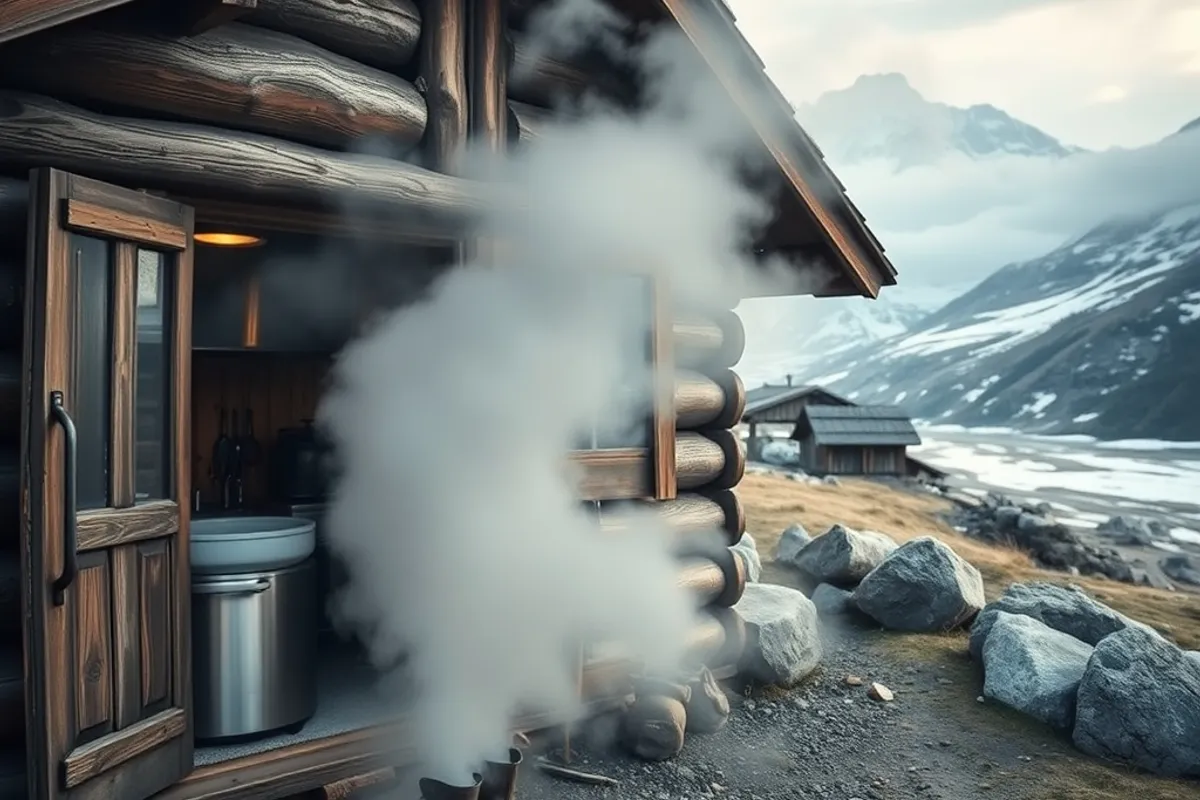
Mark the places where you can buy food or refill water. A route with a village every two days is a different packing problem from a five-day carry. Check whether the water sources are reliable in the season you are walking and whether they need filtering. Do not assume a spring on the map is running in late summer.
Pack food you will actually eat. A bag of emergency rations is useful; four days of food you dislike is weight you resent. Repackage meals to remove cardboard and bring a small repair kit for the stove and the tent.
Weather, navigation and the exit plan
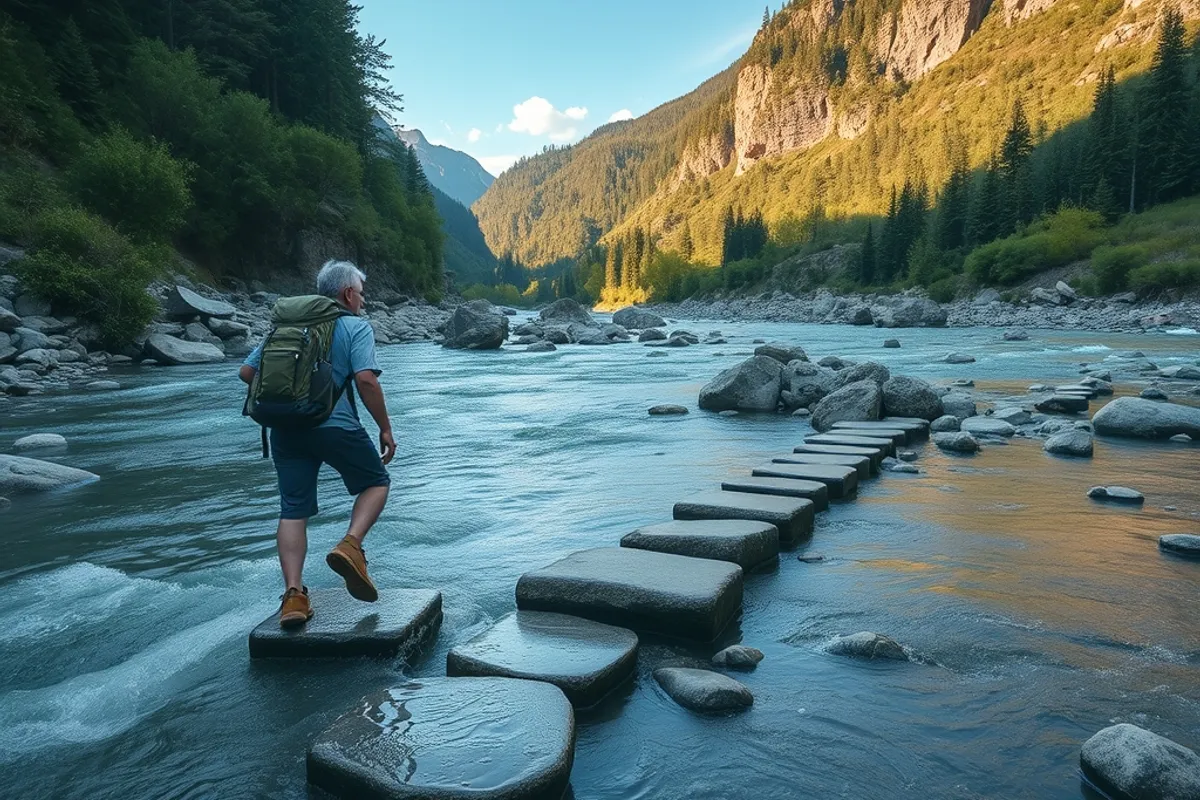
Check the forecast before you leave and again at the last town. Mountain weather changes quickly, and a pass that is easy in the morning can be dangerous in the afternoon. Set a turnaround time and stick to it. The summit is optional; the walk out is not.
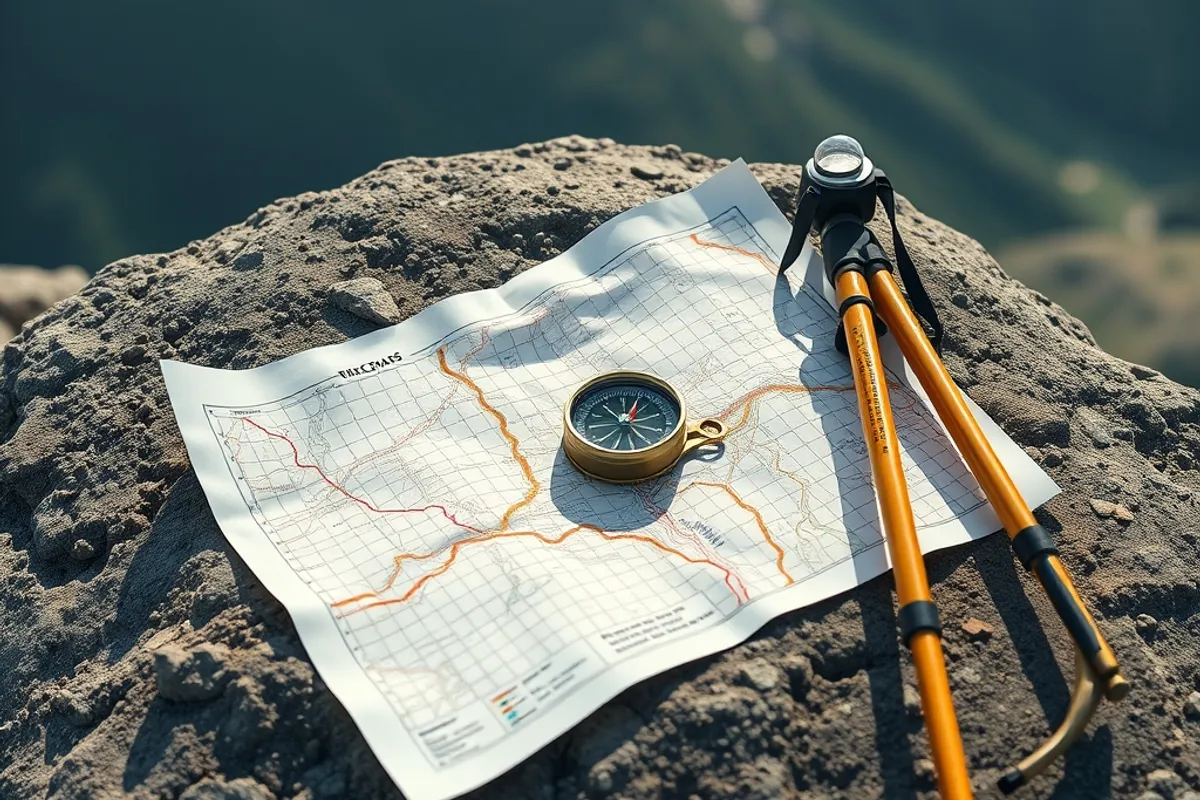
Carry a paper map, a compass and a headlamp. A phone is useful until it is wet, cold or out of battery. Tell someone your route and expected finish time, and agree on a check-in. Our gear and budget guide covers what to spend and what to skip.
The verdict
Plan fewer kilometres, lighter packs and more exits than you think you need. The best backpacking trip is the one where the route fits the days and the pack fits the body. Everything else is scenery, and the scenery is better when you are not racing the dark.