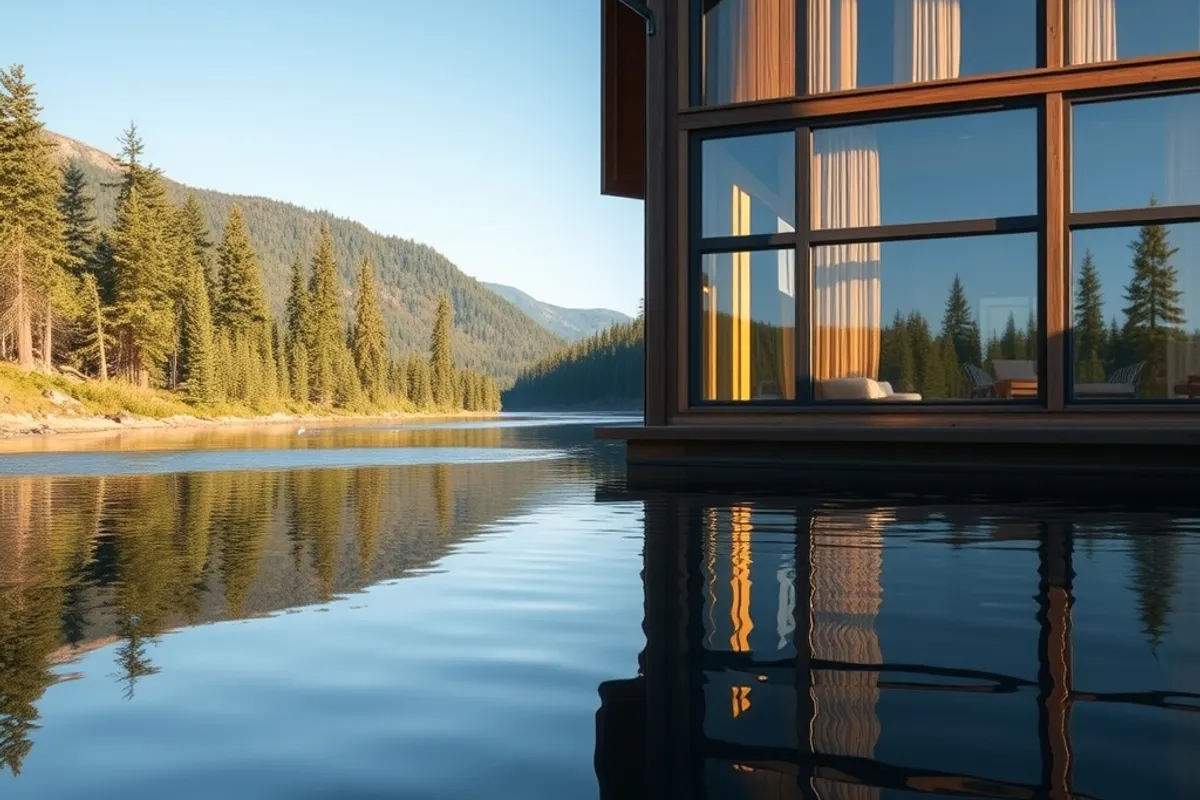
Both sit by the water and both promise quiet. The similarity ends at the door. A river lodge is a small hotel with staff, a kitchen and other guests. A private cabin is a building you rent, often with no one on site and a list of instructions about the water pump. The right choice depends less on the view than on how you want to spend the hours between walks.
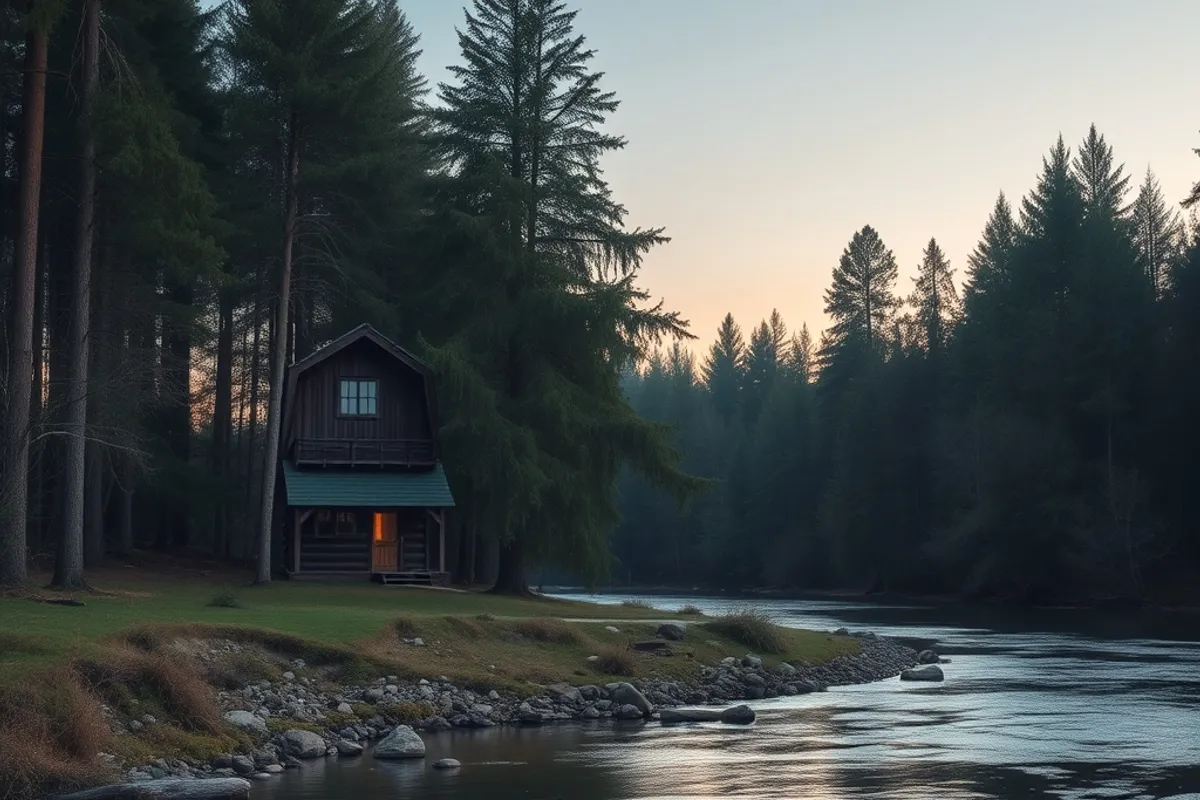
Two ways to sleep by water
A lodge gives you a made bed, a bar and someone to ask about the river level. A cabin gives you a whole building, a kitchen and the freedom to be loud at midnight. Neither is inherently better. A couple who wants dinner cooked for them will be happier in a lodge; a family with small children usually prefers a cabin with a second bedroom and a fridge.
Look at what is shared. In a lodge, the terrace, the fire and the best chairs are communal. In a cabin, the whole place is yours, including the maintenance. That trade is the decision.
Privacy and space
Cabins win on privacy. You can leave the curtains open, eat when you like and walk to the river without passing a reception desk. Lodges win on space per person in the public areas: a lounge, a library and a drying room are expensive to provide in a small rental.
Check how close the nearest cabin sits. A cluster marketed as private can have thin walls and shared hot tubs. Ask for a site plan or the name of the unit, then look at satellite images. A cabin that looks isolated on the booking page can be ten metres from a car park.
Food and service
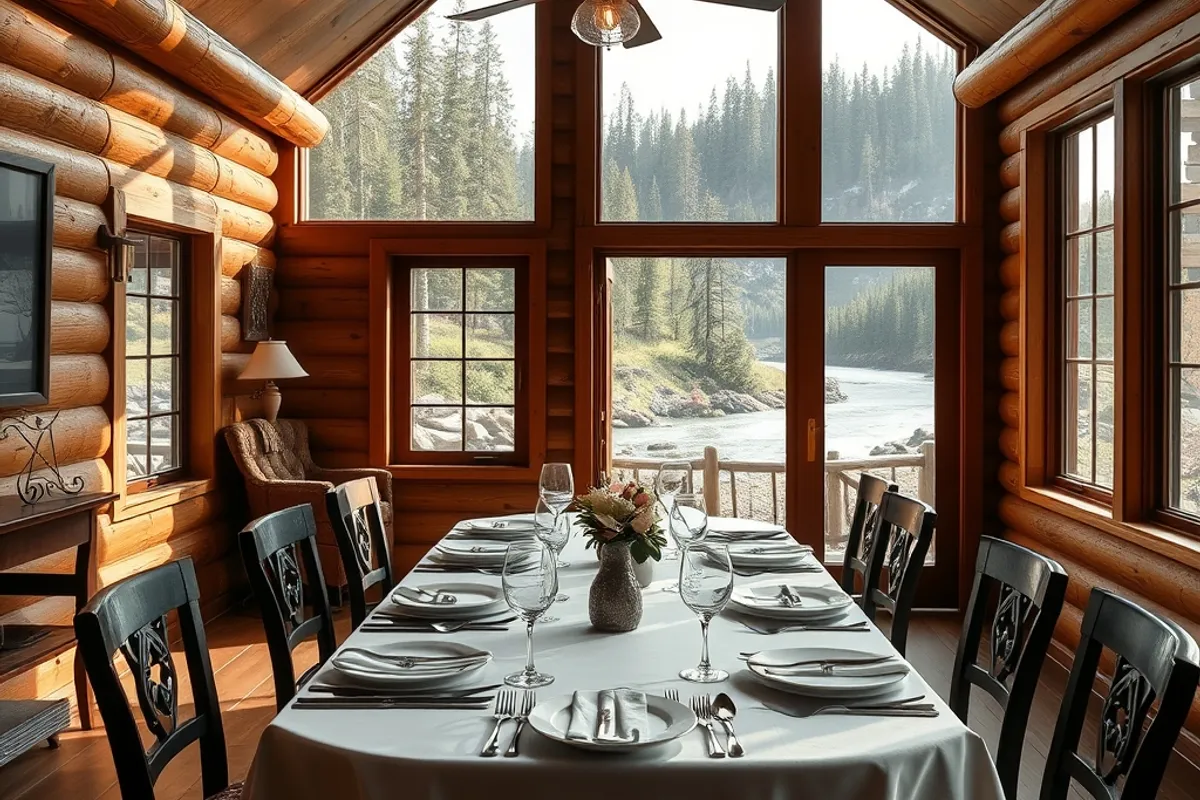
Lodge rates often include breakfast and sometimes dinner. That matters in a remote valley where the nearest restaurant is twenty minutes away and closes at eight. Ask whether dinner is a set menu, whether they can handle dietary needs and whether non-residents fill the room.
A cabin needs a food plan. Bring the first night's dinner, breakfast for the morning and enough coffee to survive a late arrival. Check whether the kitchen has an oven, a full fridge and a proper knife. A cabin with a two-ring hob and no shop nearby is a camping trip with a roof.
Cost comparison
Compare the total for the same number of nights, including food, firewood, cleaning and any per-person fee. A lodge can look expensive until you subtract three dinners and a breakfast. A cabin can look cheap until you add a grocery run, a cleaning charge and a car with more luggage space.
Off-season lodge rates often fall faster than cabin rates because lodges have staff to keep employed. If you can travel in late autumn, a lodge may be the better value. In high summer, a cabin rented by the week usually wins on cost for a group.
Access and the off-season
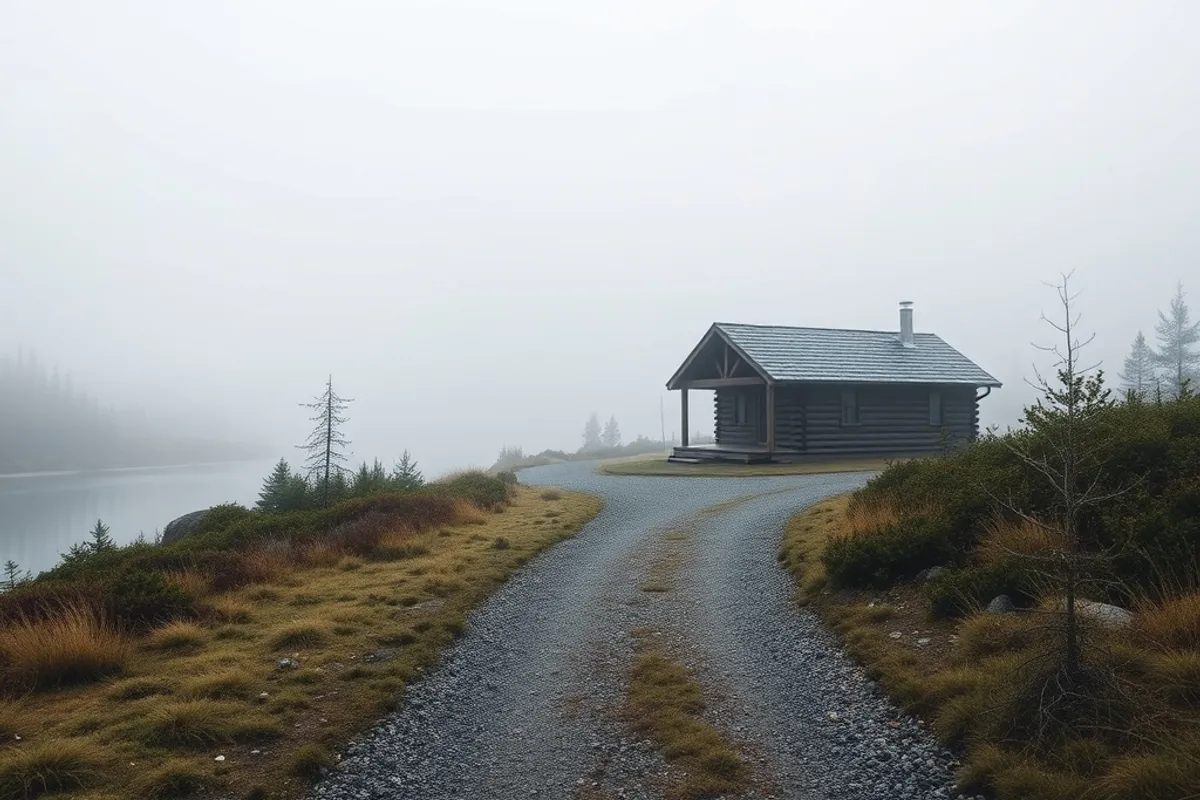
Ask about the last mile. Gravel, a ford, a steep track or a gate that locks after dark can turn a peaceful arrival into a problem. Confirm whether the road is maintained in winter and whether a normal car is enough. A cabin that requires a four-wheel drive should say so before you pay.
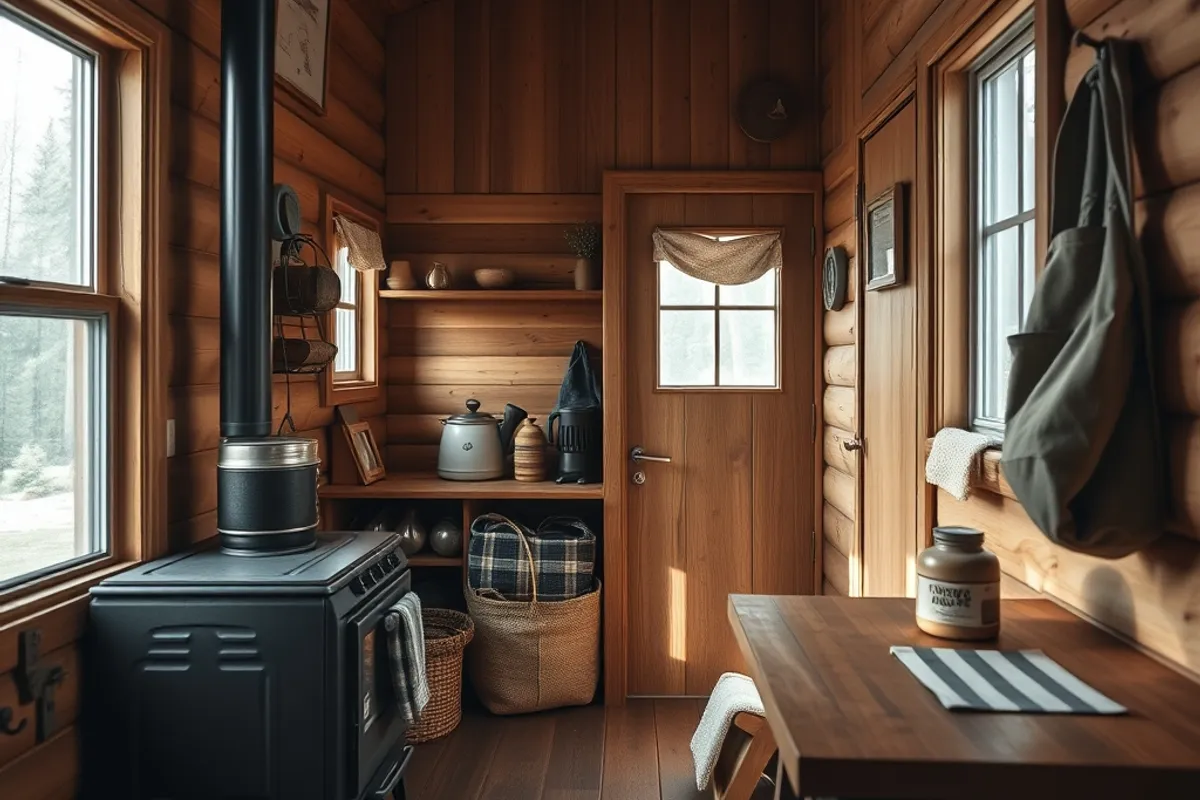
Riverside cabins can also be cold. Check the heating, the insulation and whether the wood is included. In a lodge, someone else worries about the boiler. In a cabin, you are the boiler operator, and the instructions are usually in a drawer.
Who each suits
Choose a lodge for a short break, a first riverside trip, or any stay where you want to arrive and stop making decisions. Choose a cabin for a group, a longer stay, a dog, or a trip where cooking and late nights are part of the plan. Solo travellers often do better in a lodge, where dinner comes with company if you want it.
Families should check the water access first. A shallow bank with a fence is very different from a fast river at the end of the lawn. Ask about life jackets and the depth at the end of the jetty, not just the view from the deck.
The verdict
Book the lodge when service and food are the point; book the cabin when privacy and space are. Read the access notes, add the food and cleaning costs, and choose the option that matches the evenings rather than the photographs. For a more central stay, our riverside hotel guide covers rooms in town.