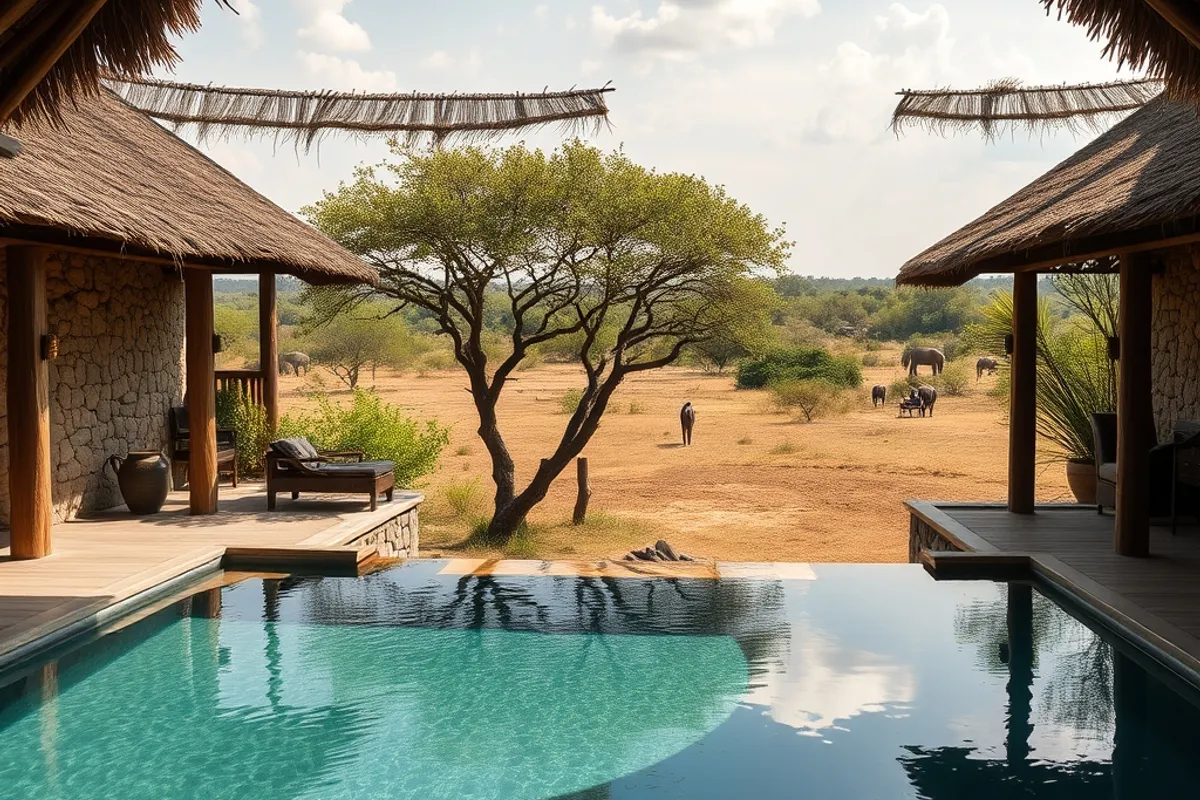
The brochure makes both look romantic. In practice, a safari lodge and a tented camp solve different problems. The lodge solves heat, power and hunger. The camp solves distance, atmosphere and the feeling of sleeping inside the landscape. Your job is to decide which problem matters more on this trip.
The real difference
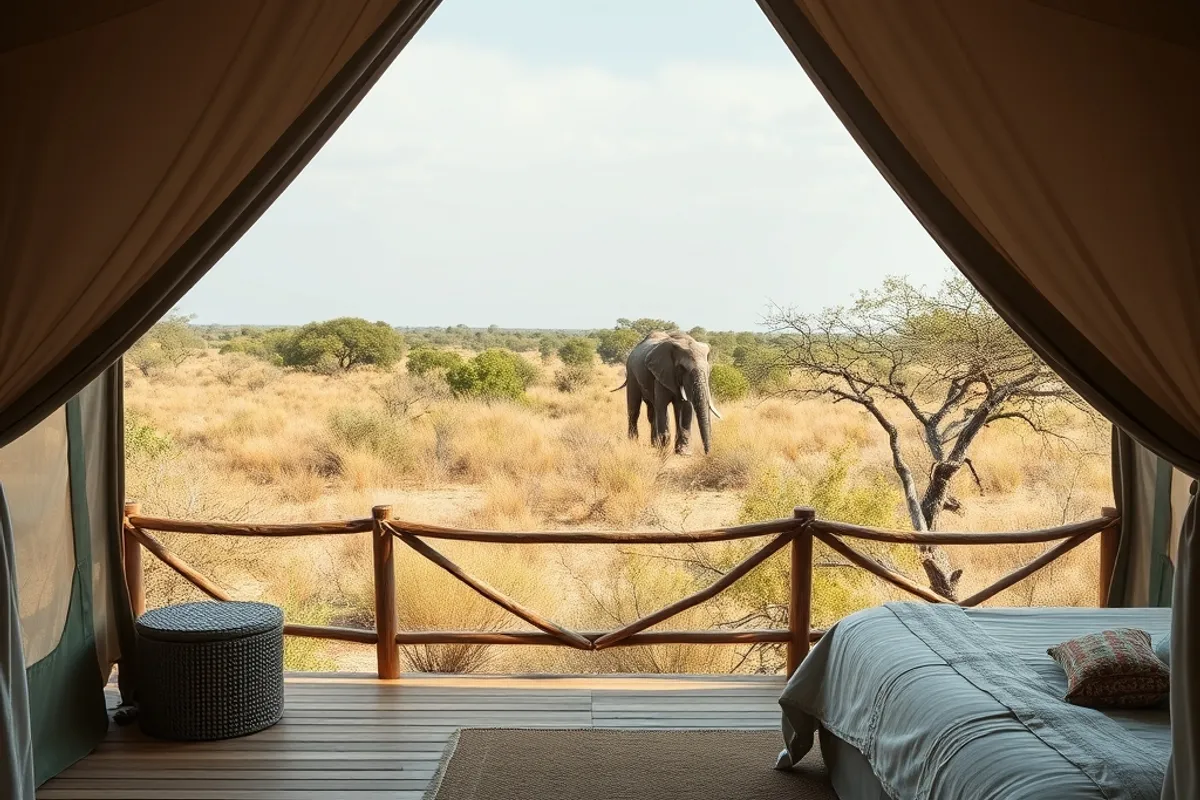
A lodge is a permanent building with solid walls, a restaurant and usually a pool. A tented camp is a canvas room on a platform, often with a flush toilet and a bucket shower. A mobile camp moves between areas and is the simplest of the three. The price does not always follow that order; location and season matter more than the walls.
Check whether the camp is permanent or seasonal. A permanent camp has reliable plumbing and staff. A mobile camp may have shared bathrooms and a limited menu. Both can be excellent, but they are not interchangeable.
Comfort and sleep
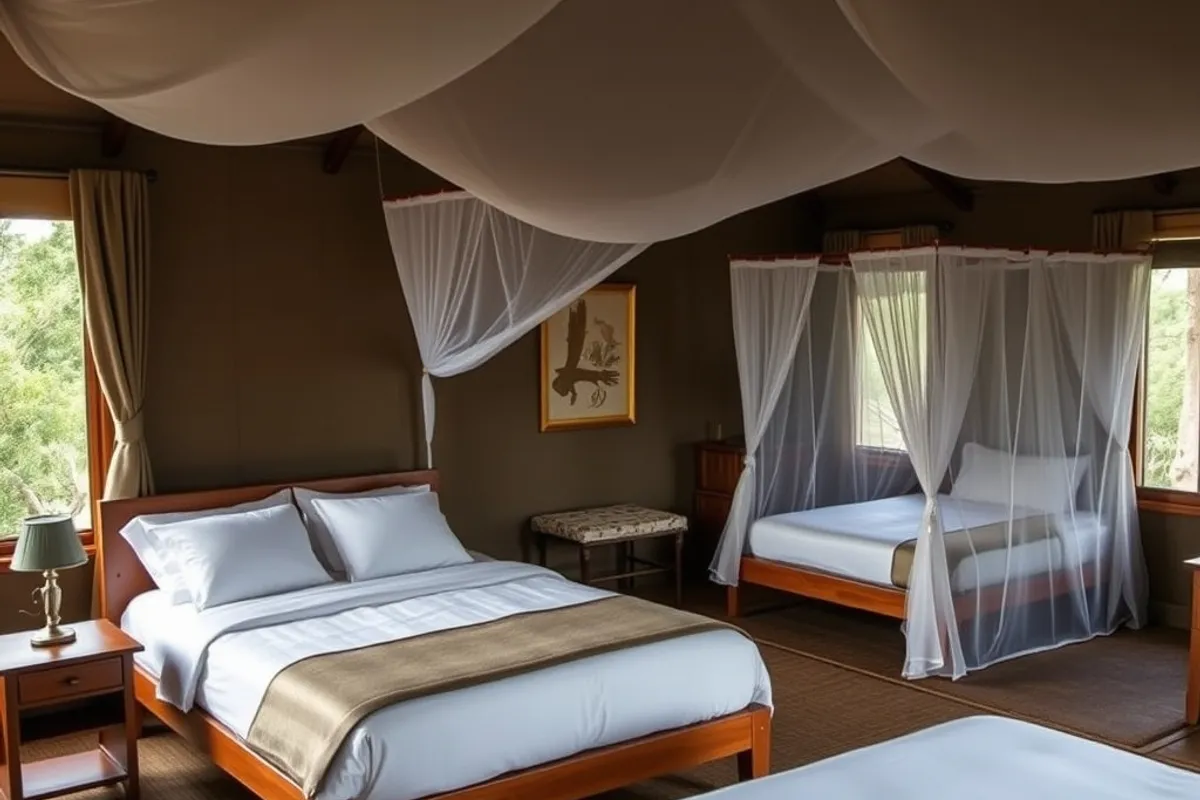
Canvas is noisy in wind and hot in the afternoon. A good camp has shade, a fan and a bed with proper mosquito nets. A lodge has air conditioning more often, but not always, and the room can be far from the waterhole. Ask about the temperature at night and whether the camp provides hot water bottles in winter.
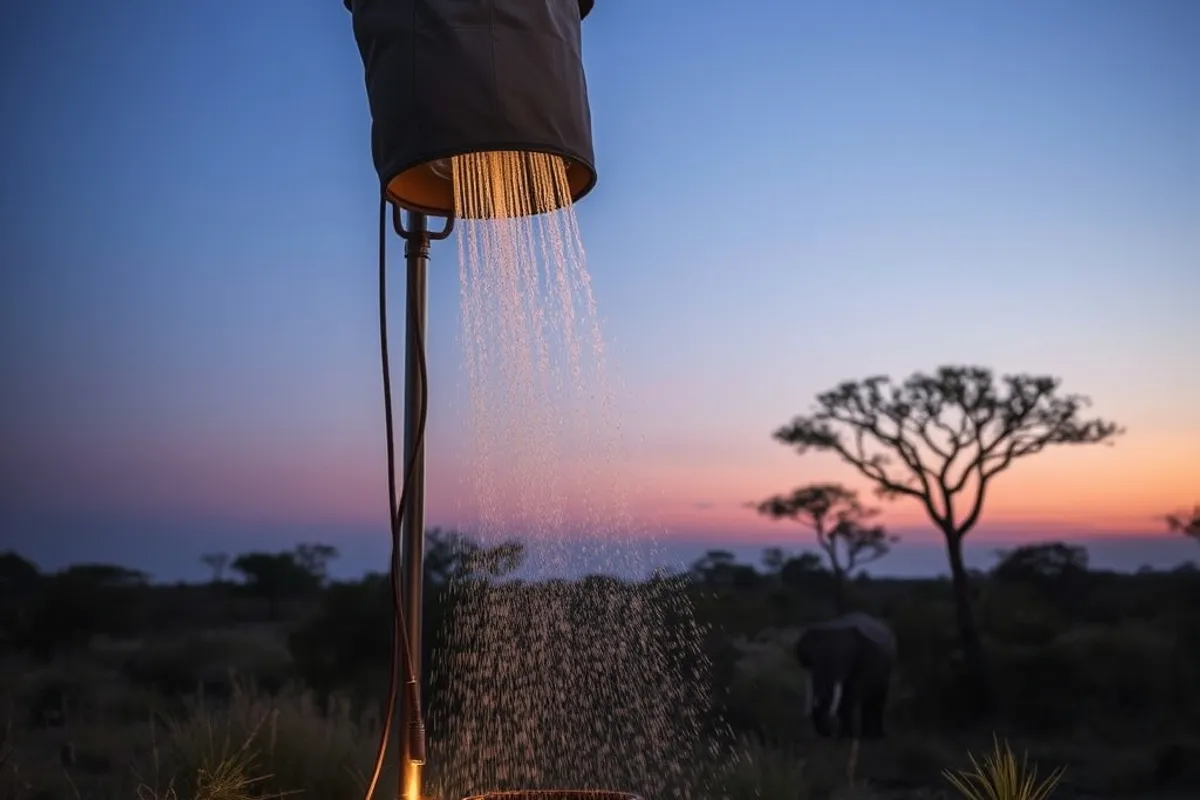
Bathrooms decide more stays than people admit. A bucket shower is fine when it is explained; it is miserable when you discover it at ten at night. Ask for a photo of the bathroom and whether the toilet is private. Families should check whether the tent has a second bedroom or a partition.
Wildlife access
Camps often sit closer to the action because they are smaller and can be built in areas where a lodge cannot. That can mean animals walking through camp at night, which is exciting and requires discipline. A lodge may be farther from the gate but offers a pool and a bar for the middle of the day.
Ask how long the drive is to the main viewing area and whether the camp has its own traversing rights. A camp outside the park may be cheaper but spend an hour each way on the road. Those hours are the difference between a relaxed day and a rushed one.
Food and service
Lodges usually offer a wider menu and can handle dietary needs with less notice. Camps often cook well but from a smaller kitchen, and a remote camp may run out of fresh items late in the week. Tell them about allergies when you book, not when you sit down.
Service in a small camp can be more personal. The same guide, the same waiter and the same manager see you every day. In a large lodge you may be one of sixty guests. Neither is better; choose the scale you want in the evening.
Cost comparison
Compare the total for the same number of nights, including park fees, transfers, drinks and tips. A camp may look cheaper until you add a transfer and a private vehicle. A lodge may include dinner and a game drive that the camp charges separately. Ask for a full quote, not a nightly rate.
Families often do better in a lodge with a family room, because a second tent for children can cost as much as a suite. Couples and photographers often do better in a small camp where the guide can be flexible. Solo travellers should ask about single supplements and shared vehicles.
Families, couples and solo travellers
Young children need solid boundaries and a safe room. A lodge with a fenced pool and a second bedroom is usually easier. Older children may love the tent, but check the age policy and whether the camp allows children on game drives at all.
Couples should ask about privacy and whether the tent overlooks a busy path. Solo travellers should ask whether they will share a vehicle and whether the camp has a single supplement. A small camp can be sociable; a large lodge can be lonely.
The verdict
Choose the lodge for reliable comfort and a family-friendly base. Choose the camp for atmosphere and proximity to wildlife. If you are unsure, split the trip: two nights in a lodge to settle in, then three in a camp. Our safari planning guide covers fees, seasons and guides in more detail.