A safari is one of the few trips where the price on the lodge page is almost never the price you pay. Park fees, conservancy levies, vehicle costs, guide wages and transfers sit outside the room rate, and the season changes all of them. The good news is that a safari is easy to price properly once you know what to ask.
Choose the season before the species
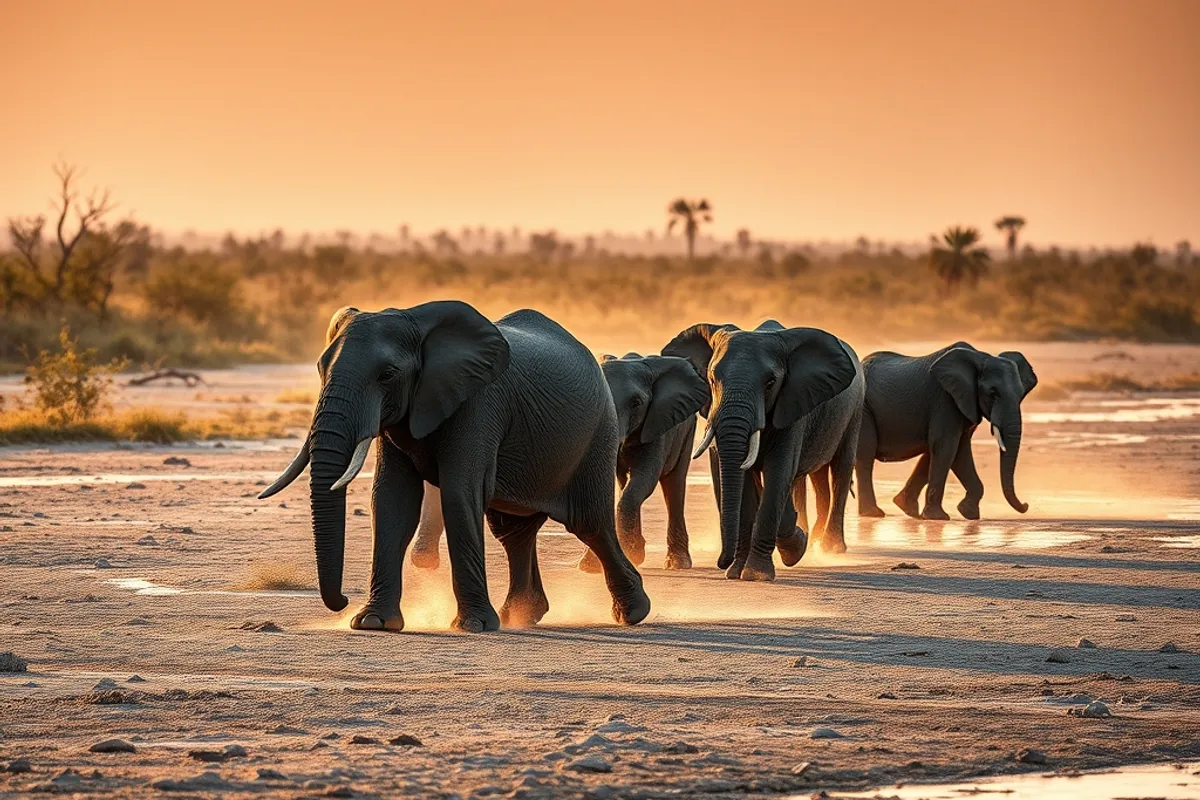
Wildlife viewing follows water. In the dry season, animals concentrate around rivers and pans, the grass is short and the roads are passable. In the green season, the landscape is beautiful, the birds are excellent and the mammals spread out. Neither season is better; they are different trips.
Ask what the rain has done in the past month, not just what the calendar says. A late rainy season can leave roads closed in the first week of the dry season, and an early one can bring animals back to the open plains sooner. A good operator will tell you honestly what to expect.
What a safari day really costs
Start with the park or conservancy fee per person per day, then add the vehicle and guide. In many areas the vehicle is priced per day, not per person, so a shared seat is much cheaper than a private one. Add water, meals outside the lodge, transfers and tips. The total for a family can be double the room rate before anyone has seen an animal.
Ask for a written daily cost breakdown. If an operator will not separate the fees, assume the cheapest items are marked up. A responsible camp will explain what goes to the park, what goes to the community and what pays for the vehicle.
Lodge, tented camp or mobile camp
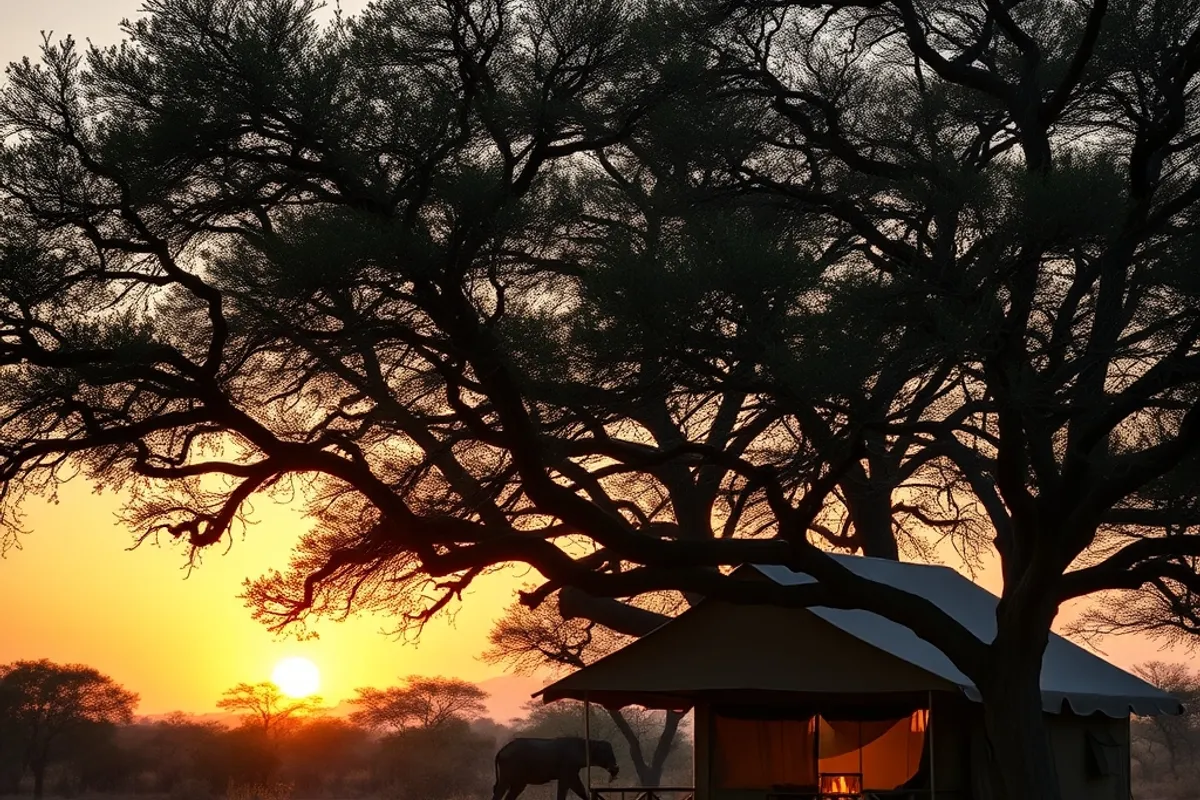
A lodge is a building with a restaurant and a pool. A tented camp is usually a permanent canvas room with a bed and a bathroom, sometimes with a bucket shower. A mobile camp moves with the season and offers the most direct wildlife access, often with simpler facilities. Our lodge and camp comparison goes deeper on the trade-offs.
For a first safari, a small lodge or permanent camp is easier. For a photographer who wants to be in the right area at the right week, a mobile camp is worth the discomfort. Decide how much comfort you need after sunset, then choose the style.
Guides and vehicles
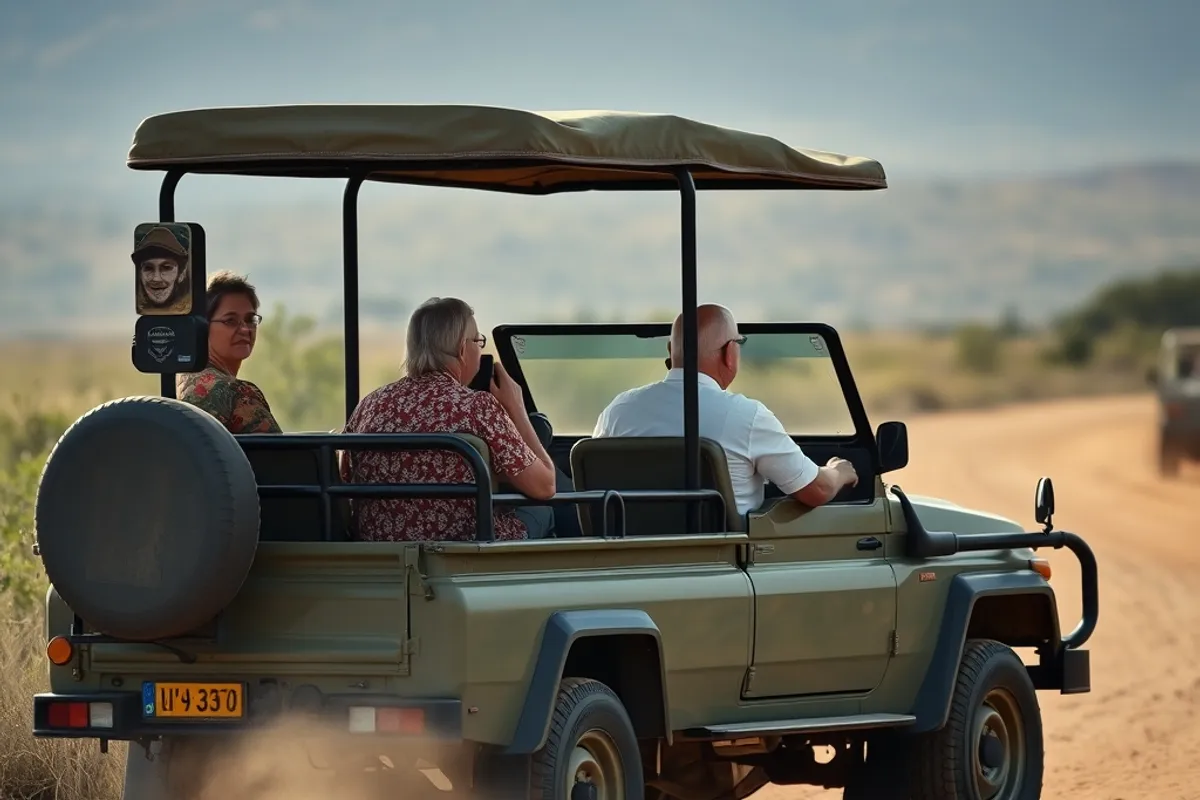
A guide who can read tracks and knows the resident animals is the difference between a drive and a safari. Ask how long the guide has worked in that area, whether they carry a radio and whether the vehicle has open sides, a roof and window seats for everyone. A packed minibus with middle seats is not the same product as an open 4x4.
Check the group size. Six guests in a vehicle is workable; nine is a negotiation every time an animal appears. If you are paying for a private vehicle, confirm that the price includes the guide and fuel, not just the metal.

Health, safety and ethics
Follow the operator's rules on distance and noise. A vehicle that leaves the track for a closer photo is not a bargain. Ask whether the camp supports anti-poaching work, employs local staff and limits the number of vehicles at a sighting. These questions are a better measure of quality than the thread count.
Check your vaccinations and malaria advice with a travel clinic well before departure. Carry your own water, a hat and any medication you need. The nearest clinic can be hours away, and a safari day is long even when nothing goes wrong.
Booking checklist
Confirm the park fees, the conservancy fee, the vehicle type, the group size, the guide's language and the transfer times. Ask what happens if a road closes or a flight is cancelled. Get the cancellation policy in writing and check whether the deposit is refundable. Pay by a method that leaves a record.
Do not book a safari from a single photograph. Ask for recent images from the actual camp and the names of the guides. A quick video call with the operator tells you more about the operation than a glossy brochure.
The verdict
Plan the season, price the day and choose the guide before the décor. A modest camp with a great guide beats a beautiful lodge with a driver who races between sightings. Budget for the extras from the start, and the trip will feel generous rather than a series of surprises.